Māori culture
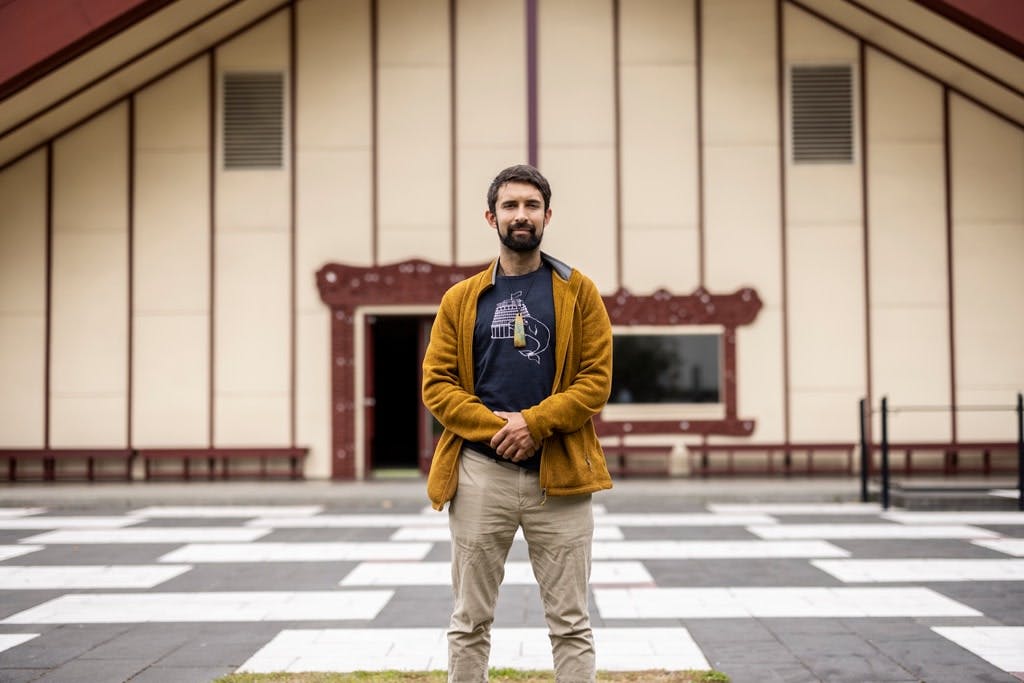
Settling in a new country is easier if you know a little about its culture and lifestyle. Learn about New Zealand and Māori culture and traditions, and the lifestyle here.
Our values, attitudes and lifestyle
The New Zealand culture is open-minded and welcoming to people of all countries and cultures. As a country, we value kindness, tolerance and friendship. We’re open-minded and welcoming toward all religions and uphold the right to freedom of religion, worship and belief for all. Kiwis expect everyone to be treated fairly and they enjoy feeling safe in their homes and in public places.
New Zealanders are generally relaxed, positive people who love to work hard, spend time with friends and family and enjoy the beautiful country they live in. New Zealanders – or Kiwis, as they’re often known – balance time at work with time to relax and unwind.
They love exploring the outdoors, playing or watching sports, engaging in art and culture, and generally making the most of life. They’re friendly and open-minded, but can sometimes seem a bit reserved and shy.
There may be many things that are different to your home country here. From our public holidays to our celebrations. The more you experience here, the better you'll understand our culture!
Our languages and accent
New Zealand has three official languages: English, Te reo Māori (the Māori language) and New Zealand Sign Language.
When speaking English, New Zealanders have a strong accent and speak very quickly, often using slang or words in te reo Māori (the Māori language) that can be confusing if you're new here. Check out our guide to speaking New Zealand English and find out some of our common words and phrases.
Listening to New Zealand radio(external link that opens in a new tab) or watching Kiwi TV shows like Shortland Street(external link that opens in a new tab) (New Zealand's oldest soap opera) or The Block (external link that opens in a new tab)(a reality TV show about home renovation) will also help you get used to the Kiwi accent. If you’re not sure what someone’s trying to say, ask them to explain or speak more slowly. Kiwis love to help!
Te reo Māori is a very important part of New Zealand culture. Find out more about speaking te reo Māori, some common words and phrases and how you can learn more.
Another option to be exposed to te reo Māori is to watch Māori Television(external link that opens in a new tab). There are usually videos you can access on demand such as Ako where you can learn te reo Māori, as well as shows that are in English with little hints of te reo. Not to mention it was created as a result of the Māori Language Act.
New Zealand Sign Language is the natural language of the deaf community in New Zealand(external link that opens in a new tab). It reflects New Zealand's culture by including signs for Māori concepts that can not be found in other sign languages or countries. If you're interested in communicating in NZSL, check out the NZSL dictionary(external link that opens in a new tab) or use the NZSL android app(external link that opens in a new tab) or NZSL iPhone or iPad app(external link that opens in a new tab).
Tip: There are many bloggers who write about Kiwi and te reo Māori words and culture. Do a quick Google search and you'll come across many travellers tips!
Māori culture
Māori are the indigenous people of New Zealand. Māori culture is a very central part of life here and this includes Māori food, language, and customs. Even if you're just living here for a short time, it's important that you know, understand and respect Māori customs and how to interact in Māori culture.
Tikanga Māori: the Māori way of doing things
Generally speaking, tikanga are Māori behaviours or ways of doing things. It's about behaving in a way that is culturally respectful or appropriate. Most people prefer to act in ways that are respectful to others. We've put together this list of tikanga to help you understand Māori culture and to help you avoid any uncomfortable moments where you're not sure what to do. It's important to understand that because Māori culture has a strong influence on New Zealand culture overall, these ways of behaving are not separate to general New Zealand culture and customs. These tikanga are common throughout New Zealand. However, different iwi (tribes), hapū (sub tribes) and marae (Māori community meeting places) might have their own variations.
Remove your shoes before you enter a home or marae. If you're not sure, just ask.
Don't touch another person’s head, unless invited. For Māori, the head is tapu (sacred).
Don't put hats on food tables. Remember, heads are tapu so anything that relates to heads, like pillows or hats, are treated carefully.
Don't pass food over anybody’s head. It's common for Māori to share food to welcome people, celebrate success or build community, but it needs to be handled carefully.
Don't sit on tables, especially tables with food on them. Putting your bottom or bag on the table is seen as unclean. You should not sit on pillows or cushions either, but you can use them to prop up your back.
Don't enter or cross a room while someone in authority is addressing an audience. Wait quietly by the door until there's a break in the dialogue or, crouch down as you pass as a sign of respect. Māori society is hierarchical and crossing in front of a more ‘senior’ person is considered rude.
Don't step over people when you're trying to find a spot to sit. Ask the person to move their legs first, or find another path. In Māori culture, it's considered rude for a woman to step over a man.
Pōwhiri
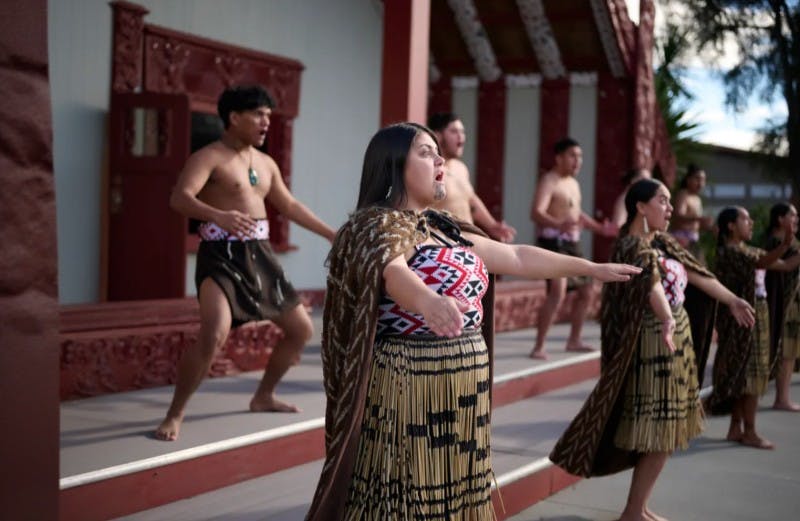
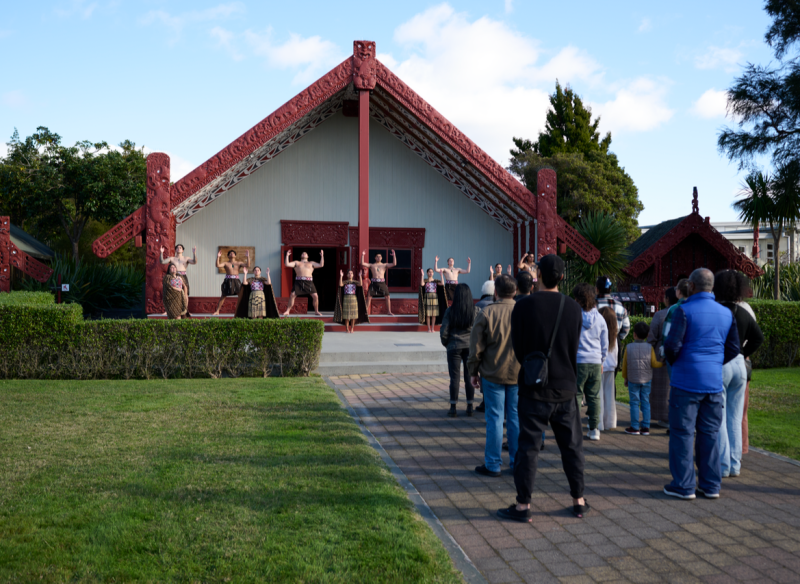
A Pōwhiri is a welcome ceremony that normally takes place on a marae, or Māori meeting grounds but can happen anywhere that hosts (tangata whenua) wish to formally greet a group of visitors (manuhiri). The pōwhiri process is tapu (sacred).
Sometimes you might be given a pōwhiri to welcome you to your place of study. The marae often sits at the heart of any Māori community, and your university or polytechnic might have one on campus.
Kai is used to break the tapu of the pōwhiri. Kai is also used to show manaakitanga (external link that opens in a new tab)(hospitality) but it's not just about manaakitanga. Finally, a feast or meal (hākari) is shared. This is done to remove the tapu from the pōwhiri and allow people to go back into a place of noa (free of tapu).
What happens during a pōwhiri?
- The pōwhiri begins with a challenge (wero) where a warrior from the hosts challenge the guests to see if they are friend or foe. The warrior might carry a spear-like weapon (taiaha), and will often lay down a small branch or feather for the guests to pick up to show they come in peace.
- Then, an older woman performs a call to the ancestors (karanga) as a signal for everyone to move on to the marae. A woman from among the guests responds with her own call and then guests walk onto the marae as a group, slowly and quietly with women in front of men. They pause along the way to remember their ancestors.
- Once everyone is on the marae grounds, guests and hosts sit facing each other. Speeches (whaikōrero) are made in both te reo (the Māori language) and English. Often these speeches are made by the older men of the two groups. Songs (waiata) are sung after each speech. Check out more about waiata and even hear some(external link that opens in a new tab)!
- After the speeches, visitors present a gift (koha) to their hosts. Visitors and hosts then greet each other with a hongi – the pressing of noses. Finally, a feast or meal (hākari) is shared. Māori have a very strong tradition of hospitality (manaakitanga) and sharing food is a way of looking after guests and making them feel welcome. The hākari usually signifies the end of the pōwhiri. To get more detail on each stage of the pōwhiri, check out the University of Auckland website.(external link that opens in a new tab)
Tip: Check out more words in te reo Māori. If you’d like to learn some te reo, the Kupu app(external link that opens in a new tab) is a great place to start. There are courses taught in communities across New Zealand and online learning(external link that opens in a new tab) too. You can also check words in the Māori Dictionary(external link that opens in a new tab) for an English translation.
Related pages
Learn about Māori culture
To get you started with this goal, we asked students what they did to learn about Māori culture while they were in New Zealand. Here are their suggestions, along with a few of our own!
Learn how our indigenous culture shaped our past and inspires our future.
Life and culture in New Zealand
Settling in a new country is easier if you know a little about its culture and lifestyle. Learn about New Zealand and Māori culture and traditions, and the lifestyle here.
Speaking te reo Māori
Te reo Māori (the Māori language) is one of three official languages in New Zealand, along with English and New Zealand Sign Language. Find out how to pronounce it, where to learn it and some common words.