Being LGBTQIA+
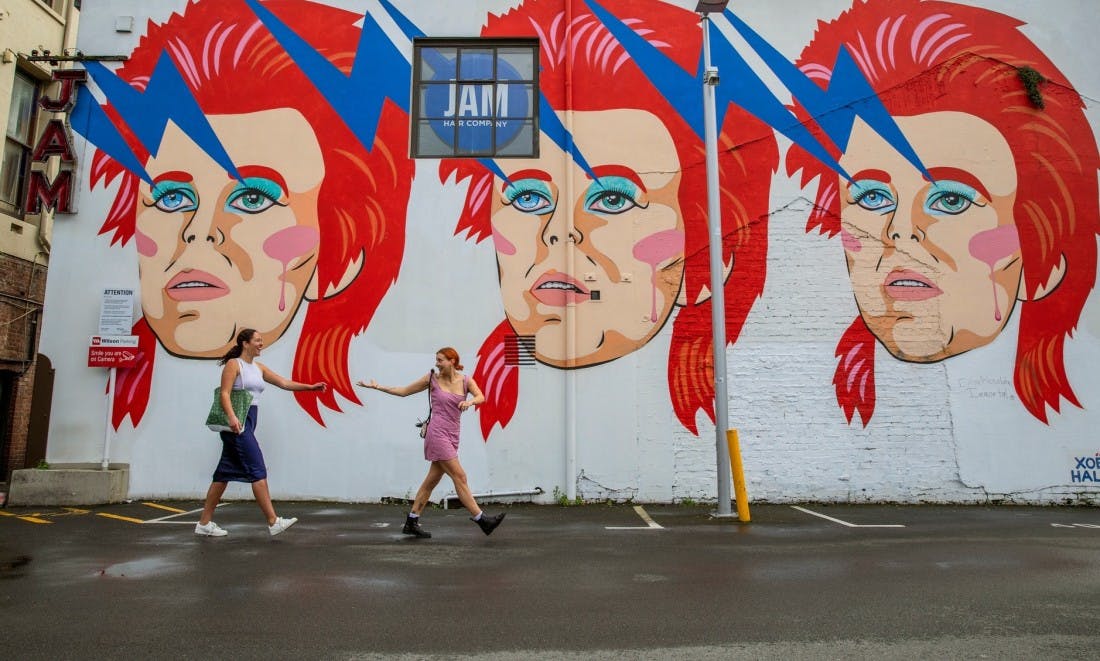
New Zealand is often called one of the most LGBTQIA+ friendly countries in the world. Find out what it is like to live and study here.

LGBTQIA+ students in New Zealand
Studying overseas can bring extra challenges when you’re LGBTQIA (lesbian, gay, bisexual, transgender, queer, questioning, intersex or asexual).
If you identify as LGBTQIA+ you need to know you’ll be welcome and safe. You will want to be accepted for who you are. You will also have to decide how open you can be about your gender identity and sexual orientation.
The good news is that New Zealand is a socially progressive country with a reputation for making many different types of people feel at home (you can find about our reputation as a welcoming destination for LGBTQIA+ students and other visitors here(external link that opens in a new tab)).
In 2023, Lonely Planet rated New Zealand fourth on its list of the most gay-friendly places on the planet(external link that opens in a new tab). Most New Zealanders are open-minded, accepting and positive towards the LGBTQIA+ community, which is also sometimes known as the ‘rainbow’ community or the LGBTIQ+ community.
The LGBTQIA+ community in New Zealand
Over the past few decades, New Zealand has changed the laws that discriminated against LGBTQIA+ people. Same-sex couples can marry, and they have the same immigration rights as straight (heterosexual) couples. The age of consent (the age people are legally allowed to have sex) is 16 for everyone, and LGBTQIA+ people have the same rights as anyone else to adopt children.
There are high-profile LGBTQIA+ people in all types of jobs in New Zealand, including politics. New Zealand had the world’s first openly transgender Member of Parliament and was the first country to fly the intersex flag at its parliament.
The rainbow community is visible in New Zealand, and most LGBTQIA+ people feel free to be themselves here. However, while New Zealand is generally a welcoming country for the rainbow community, there are still incidents of discrimination and prejudice here.
For example, LGBTQIA+ students are more likely to be bullied at school, and some people use the word ‘gay’ as an insult. This is never OK. It is against the law to be abused, humiliated or treated unfairly because of your gender identity or sexual orientation.

New Zealand social life
New Zealand’s LGBTQIA+ social scene is small by global standards, but there are still many places you can go to meet people, especially in the larger centres. Auckland is ranked one of the top 20 gay-friendly cities in the world by Lonely Planet. It has a particularly vibrant scene, with a wide range of bars, clubs, cabaret venues and events.
Just like everybody else, LGBTQIA+ people tend to make connections through apps or dating sites, or at clubs and social events. There may be LGBTQIA+ events at the place where you’re studying.
New Zealand cities host many LGBTQIA+ events, including gay pride weeks, parades, film festivals and summer camps. The charity InsideOUT runs Shift(external link that opens in a new tab), an annual hui (gathering) for rainbow young people.
You can also check out our page on Dating, relationships and sex in New Zealand.
Coming out as LGBTQIA+
Telling people about your gender identity and sexual orientation is called ‘coming out’. There are good reasons to be open about your gender identity and sexual orientation in New Zealand. Many people say it can be a relief to come out to people you trust, and it may make it easier to access healthcare, advice and support.
However, there may be a cultural stigma around being LGBTQIA+ in your home country. Coming out may have an impact on your relationships with your family, your friends, other international students from your home country, your work colleagues, your place of worship and other groups of people that are important to you. You may end up feeling you have one identity in New Zealand and a different identity back home.
Exploring your gender identity and sexual orientation is often an emotional and challenging experience. Coming out is a very personal decision, and there is no one ‘right’ way to do it. Take your time and don’t feel you have to come out before you are ready. You may feel comfortable being open with some people, but not with others.
Support for LGBTQIA+ students
If you’re LGBTQIA+ or exploring your identity, there are lots of places you can go for help, advice, resources and friendship. The place where you’re studying may have ways of supporting members of the rainbow community.
These could include student support groups and networks, clubs, events, coordinators and safe places to socialise. Be sure to check out what support is available. You can also get support from groups such as:
- OUTLine(external link that opens in a new tab), which has a free helpline and offers face-to-face counselling. Phone 0800 688 5463. OUTLine also has a Coming Out Guide(external link that opens in a new tab).
- RainbowYOUTH(external link that opens in a new tab).
- Gender Minorities Aotearoa(external link that opens in a new tab).
- Family Planning(external link that opens in a new tab), which has online advice and clinics around the country. Its clinics welcome people of any gender identity and sexual orientation.
- New Zealand AIDS Foundation(external link that opens in a new tab), which provides HIV tests and free counselling.
Tip: If you’re looking for healthcare, including sexual healthcare, doctors and nurses in New Zealand are friendly and accepting of people of all gender identities and sexual orientations. They are not allowed to share your medical information with anyone else unless you want them to (or unless they think you might hurt yourself or someone else).
You can find more information in our pages on getting healthcare in New Zealand.
LGBTQIA+ rights
People in New Zealand have the right to be treated with fairness and respect. It’s illegal to discriminate against anyone in education, at work, in healthcare, in accommodation, when they’re dealing with the government or when they buy something.
All people have the same rights and freedoms, regardless of their gender identity and sexual orientation. You can get more information(external link that opens in a new tab) about your rights from the Human Rights Commission.
LGBTQIA+ definitions
Words about gender and sexuality evolve. The words people use to describe themselves can mean different things to different people. For example, the word ‘queer’ used to be a hurtful insult but has been reclaimed as a way of fighting back against hatred and bullying. Some people prefer ‘queer’ to ‘LGBTQIA+’ because it’s easier to say and covers a wide range of identities. Outline, a national service that supports LGBTQIA+ people in New Zealand, has a list of general terms that people often use to describe themselves. However, OUTLine points out that it’s OK if you don’t feel any of these words fit you. The most important thing is to find the words you feel comfortable with. When someone talks to you about their gender identity or sexual orientation, it’s important to be respectful and sensitive. One of the things you can do to support them is to use the language they choose to describe themselves.
Gender identity is your personal sense of your own gender. It may be the same or different to the sex that was recorded for you when you were born. Gender identities include male, female, transgender, gender fluid and genderqueer. People have many different ways of thinking about gender, and ideas about gender vary between cultures.
People use different pronouns to describe their gender identity. For example, they may use she/her, he/him or they/them.
Your sexual orientation is about who you are sexually attracted to. You may be attracted mostly to people of the same gender, or of the opposite gender, or not have a gender preference.
It may take a while to figure out what’s right for you, and the way you feel may change over time. If you’re questioning who you are, living and studying in New Zealand can be an opportunity to explore your identity and share that identity with others.

Māori and Pasifika communities
Historically, Māori society was known for its acceptance of diverse gender identities and sexual orientation. In more recent times, an increasing number of Māori men and women have embraced the term takatāpui to describe their sexuality.
The word takatāpui has been reclaimed from the past and is used to describe people who might otherwise describe themselves as gay, lesbian, transgender, bisexual or intersexual. The term takatāpui is important to Māori because it acknowledges both the sexual and cultural parts of a person’s identity. It is also a link between relationships in Māori communities in the present and in the past.
Pasifika communities in New Zealand have traditional terms to recognise people who were assigned male at birth but who identify as female and perform roles often carried out by women. These terms include fa’afafine (Samoa), fakaleiti (Tonga), akava’ine (Cook Islands), vaka sa lewa lewa (Fiji) and fakafifine (Niue).
Related pages
Dating, relationships & sex in New Zealand
Attitudes to dating, relationships and sex may be different in New Zealand than in your home country.
Sexual healthcare in New Zealand
Take care of your sexual and reproductive health while studying in New Zealand. Here’s how to get advice and support.
Being safe online
The internet is an important part of life as a student in New Zealand. You might find yourself using it to bank, shop or meet people more than you did in your home country. Learn about internet safety and find suggestions for being safe online.