Doctors and dentists
While you're studying in New Zealand, you might get sick or need medical treatment. Here’s information about healthcare for international students so that you stay well in New Zealand.
Getting a doctor
A family doctor or general practitioner (known as a 'GP') is the first person you should see if you feel unwell. Doctors and GPs work at medical centres (sometimes called medical practices, urgent care clinics, or after-hours clinics) with nurses and other health professionals.
It's a good idea to find a doctor before you get sick. Most universities or education providers have health centres they recommend nearby, where you can see a GP or nurse and get medical treatment, advice and counselling services. Visit the student health centre and register before you get sick or need counselling so you will be able to make an appointment much quicker later on.
Whether you go to a medical centre in the community or a student health centre, you’ll need to register with them before you can make an appointment. When you register, let them know if you prefer your doctor to be male or female and if you need an interpreter. If it’s more convenient for you to see a doctor off-campus, ask your friends or host family for recommendations near where you’re living.
You can also do a quick Google search in your town or city. If you have a problem that the GP can’t treat, they will send you to a specialist medical expert at a hospital or private health service.
If your usual medical health centre is closed (usually after 5pm) or in the weekends, you will need to go to a private accident and medical clinic if you’re unwell. These consultations usually cost more than visiting your GP. But don't let this stop you from acting quickly, it's better in the long run to get help as soon as you can.
If you need to talk to a counsellor after-hours or if there are no appointments available at your student health centre, check out the contact details for 24-hour phone counselling services(external link that opens in a new tab) and our suggestions for how to cope with feeling lonely homesick or depressed.
Tip: If you feel sick but you’re not sure if you should visit a doctor, you can talk to a trained registered nurse at Healthline(external link that opens in a new tab). It’s a free, confidential service (this means the nurse won't share what you've told them with others unless you tell them to). It's available 24 hours a day, 7 days a week and they can find you an interpreter if you need one. Call 0800 611 116.
If you're in Auckland, try Your Local Doctor(external link that opens in a new tab) for a list of family doctors and community pharmacists in your area.

Getting a medical certificate
If you are sick or injured and this means you are unable to prepare for or complete your course assessment (assignment, group work, test, or exam) you will need a medical certificate from your doctor. This is so your education provider can consider whether to take your illness or injury into account when grading you.
A medical certificate is a letter where the doctor will write the date they have examined you and a note that in their opinion you have an illness or injury on that date that means you are unable to prepare for or complete your course assessment. The medical certificate will say if the doctor believes your illness or injury requires you to take time away from your studies to rest and recover.
A medical certificate may also be needed if your illness or injury means you can not complete any other course requirements (for example attending classes or lectures or taking part in field trips). If you're not sure, it's a good idea to ask for a medical certificate when you visit the doctor, just in case. You should also check with your lecturer or tutor.
Sexual health
Most student health centres will be able to give you advice and information on sexual health, including contraception, sexually transmitted infections ('STIs'), cervical smear tests and pregnancy.
You can also visit a Sexual Wellbeing Aotearoa(external link that opens in a new tab) for advice or treatment for anything to do with sexual or reproductive health. It’s natural to feel shy or uncomfortable, but any conversations you have will be kept private between you and the nurse or doctor.
More information about sexual healthcare can be found on the page Sexual healthcare in New Zealand.
Tip: You can bring up to 6 months of the contraceptive pill to New Zealand. Remember, the pill can only protect you from pregnancy, not STIs. You can buy condoms at your local supermarket or pharmacy. You can also get the Emergency Contraceptive Pill (sometimes called 'the morning after pill') at your pharmacy – you just need to speak to the pharmacist.
Getting a dentist
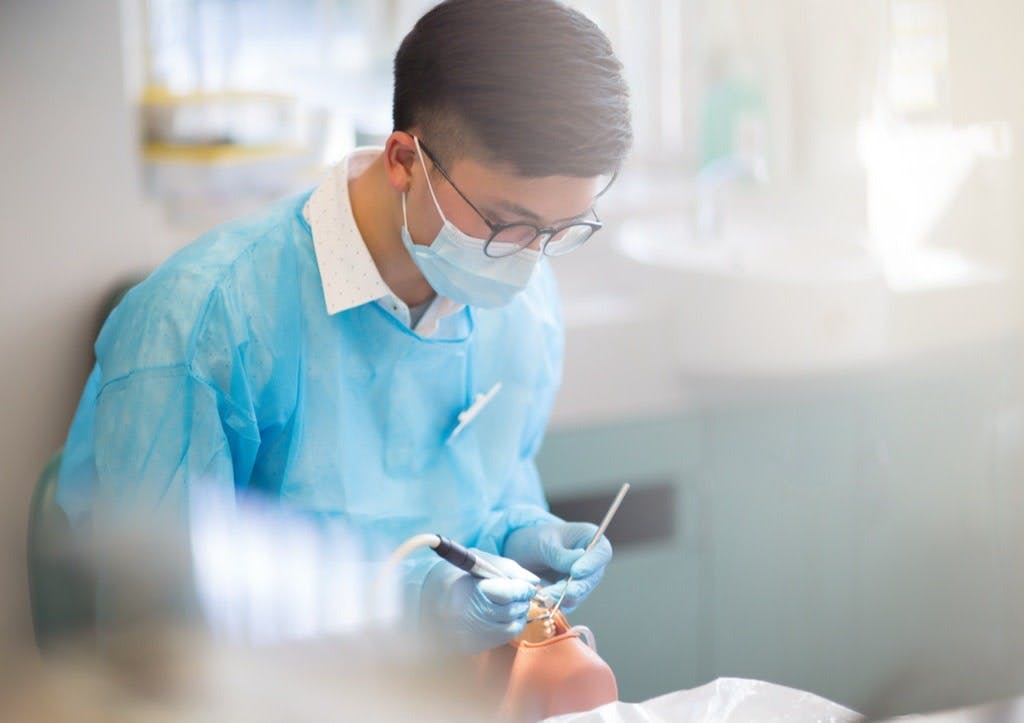
Dental care isn’t usually offered by student health services on campus, but they should be able to recommend places to go. Ask friends, classmates, or your host family for the names of good dentists in your town.
Dental care is expensive in New Zealand compared to many countries (a check-up, X-ray and clean can cost about $150NZD) and isn’t usually covered by insurance, so make sure you look after your teeth!
Tip: You can also use the Dental Council(external link that opens in a new tab) to search for a registered dentist (also known as an oral practitioner) close to where you live.
Where to buy medicine
You can buy medicine for minor health problems, such as everyday painkillers, from a pharmacy (sometimes called a 'chemist'). If you need more serious medicine, you need to visit a doctor first.
They will give you a form listing the medicine they have prescribed for you (called a prescription or ‘script’) that you take to the pharmacy. You will have to pay for this medicine, and the pharmacy staff will explain to you when and how to use it.
There will often be a pharmacy near the student health centre on campus or a doctor's clinic. Most shopping centres also include pharmacies. Ask your doctor if you’re not sure where to find one.
Tip: If you take regular medicine at home, be sure to bring a few months' supply with you to New Zealand. You can find out more about what medicines you can bring here in 'Preparing to travel to New Zealand'.
Related pages
Sexual healthcare in New Zealand
Take care of your sexual and reproductive health while studying in New Zealand. Here’s how to get advice and support.
Alcohol
What is the drinking age in New Zealand? To be safe and have a great experience, you must follow the alcohol laws while you’re studying here. Find out what they are and how to drink alcohol responsibly.
Drug laws in New Zealand
It is illegal in New Zealand to take drugs that have not been prescribed by a doctor. To be safe and to have a great experience you must follow the law while you’re studying here.
Get useful information and important updates to make your life easier while you're living and studying in New Zealand.