Public holidays and daylight saving

Find out about New Zealand's public holidays, and daylight saving time, when we move our clocks forward an hour in spring and back an hour in autumn.
New Zealand public holidays
Every year New Zealand has 11 national public holidays (when many businesses, banks and shops are closed):
- New Year’s Day and the day after (January 1 and 2).
- Waitangi Day (February 6): the national day of New Zealand celebrating the signing, on 6 February 1840, of our country's founding document, the Treaty of Waitangi.
- Good Friday, Easter Sunday and Easter Monday (March/April).
- Anzac Day (April 25): commemorating all New Zealanders killed in wars and honouring returned servicemen and women.
- King's Birthday Holiday (the first Monday in June): this celebrates the birthday of the King of the United Kingdom who is also New Zealand's King.
- Matariki (June/July): became a recognised public holiday in 2022, it celebrates the first rising of the Pleiades star cluster called Matariki. This marks the beginning of the new year in the Māori lunar calendar.
- Labour Day (the fourth Monday in October): became official in 1900 and commemorates the struggle for an eight-hour working day, the ambition of which is enshrined in various pieces of legislation in New Zealand starting in the nineteenth century.
- Christmas Day and Boxing Day (the day after Christmas, 26 December).
Each region also has its own public holiday every year (usually a Friday or a Monday). Here's a full list of them(external link that opens in a new tab).
The primary and secondary school year is divided into 4 terms. It usually starts in late January to early February and finishes in December. The university year usually starts at the end of February or the start of March and runs until November.
Tip: Students get a long break at the end of the year over the summer. This is the perfect time for you to explore the country or get a job!
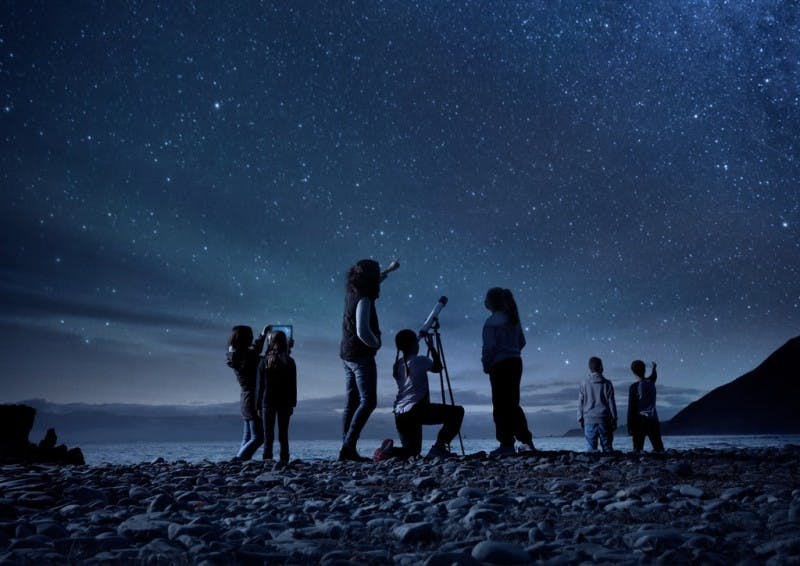
Ngā Mata o te Ariki or Matariki
Matariki - Māori New Year - is celebrated in the middle of June to early July. It takes its name from the cluster of stars (also known as the Pleiades or Seven Sisters) that rise in the night sky in the middle of winter. Many Māori see Matariki as the start of a new year and it’s become a popular celebration for all New Zealanders.
In 2021, the New Zealand Government announced that Matariki is officially celebrated with an annual public holiday.
A lot of cities celebrate Matariki with events like fireworks, markets, films and food. You can find out what Matariki celebrations are happening in your city by checking out your local council's website or Eventfinda(external link that opens in a new tab).
Daylight saving time
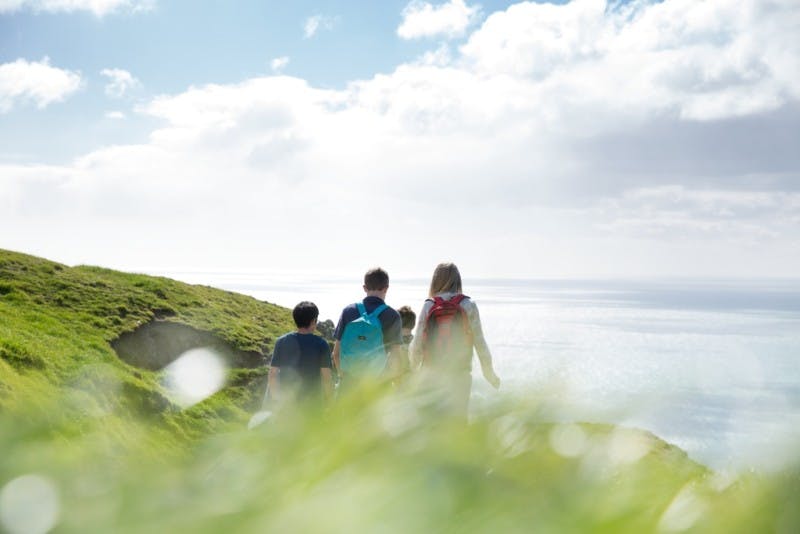
The main purpose of daylight saving time is to make better use of daylight. We change our clocks during the summer months to move an hour of daylight from the morning to the evening. Daylight saving starts in September and ends in April.
New Zealand standard time is GMT+12, except during daylight saving time. During the daylight saving months, we're one hour ahead of New Zealand standard time.
Tip: Don't worry if you forget about daylight saving! Your phone will change the time automatically. The dates and the times clocks will change are mentioned in television and radio advertisements and in national newspapers.
Related pages
Life and culture in New Zealand
Settling in a new country is easier if you know a little about its culture and lifestyle. Learn about New Zealand and Māori culture and traditions, and the lifestyle here.
Māori culture
Settling in a new country is easier if you know a little about its culture and lifestyle. Learn about New Zealand and Māori culture and traditions, and the lifestyle here.
The New Zealand climate
New Zealand is famous for its beautiful landscapes. It's exciting to get out and explore! However, Kiwis sometimes call our weather 'four seasons in one day' because it can change rapidly. Learn how to be prepared for the New Zealand climate and seasons.