New Zealand government
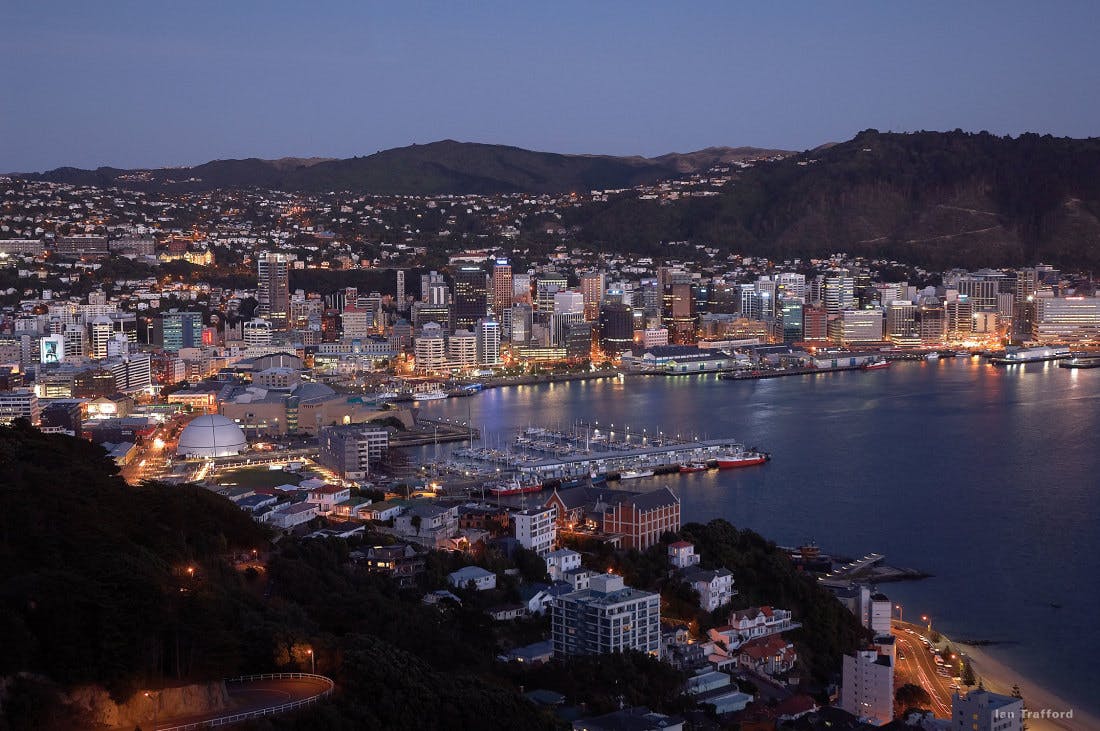
The New Zealand political system is a democracy. Every three years New Zealanders get to vote for who will represent them in Parliament but our democracy is about much more than elections. Learn about how the New Zealand Government works.
The New Zealand government
In New Zealand, our system of government gives us many opportunities to participate in decision making and provides:
The right to vote in parliamentary elections
Independent and impartial judges
A free press
Access to official information
Protection of individual rights
Freedom from corruption
Respect for the voices of minorities, as well as those of the majority
The right to gather in agreement and support, or in protest
Tip: Remember, our Government isn’t something you should be afraid of when you’re studying here.
Check out the EIU Democracy Index(external link that opens in a new tab) to get an understanding of how New Zealand's democracy compares with others around the world.
Political culture
New Zealand is an inclusive society and was a founding member of the United Nations in 1945. New Zealand is committed to promoting peace, security, social progress, better living standards and human rights for all.
New Zealand was the first country in the world to grant all women of voting age the right to vote in parliamentary elections in 1893. Kate Sheppard, a prominent leader of the 1893 women's campaign to vote, is honoured on our ten dollar note.
Here are some key aspects of our political culture:
- We decide our central government by democratic vote – usually every three years
- We talk about politics openly and freely
- Our Members of Parliament ('MPs') are easily accessible to us. Everyone who lives in New Zealand (including international students) can contact their Members of Parliament(external link that opens in a new tab) to talk about any issues they have with our laws.
Voting
All New Zealand citizens and permanent residents 18 years old or over can vote in a general election. They just need to have their name on either the Māori or general electoral roll before election day.
Each voter has two votes to cast — a party vote and an electorate vote, which is for a specific party candidate. This is how New Zealanders choose who represents them in Parliament.
Our voting system is MMP (Mixed Member Proportional)(external link that opens in a new tab) and means that a political party’s share of seats in Parliament reflects its share of the national vote. There are 72 electorate seats - each with roughly equal numbers of voters - and around 50 list seats available. Find out more about our voting system(external link that opens in a new tab).
We have two main parties in New Zealand. The National Party, which is a more conservative party (often called 'right wing') and the Labour Party, which is generally considered more liberal or reforming (often called 'left wing'). There are many other political parties to chose from, here's a list of all the current registered political parties in New Zealand(external link that opens in a new tab).
Tip: Generally, New Zealanders are friendly with each other no matter what their political beliefs are. However, they don't always like to say who they voted for. It can be better to talk about politics in a general sense rather than personally. You can ask your friends questions, just be respectful.
Types of government
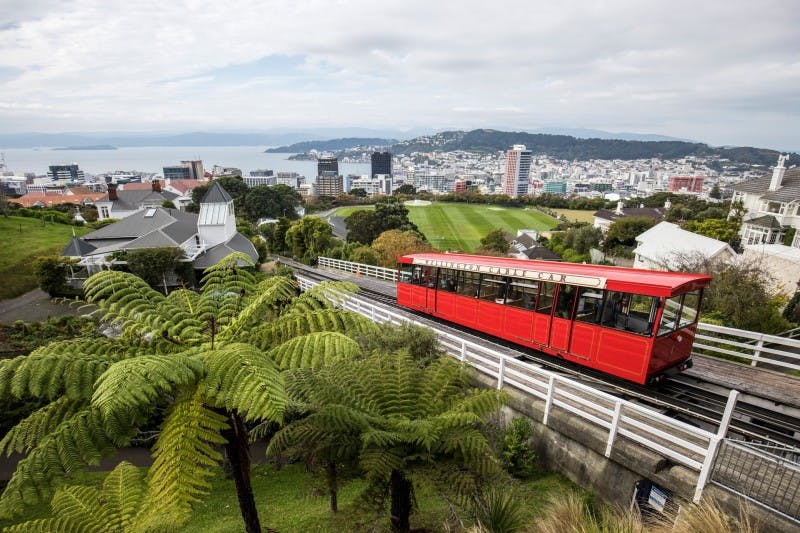
New Zealand is a parliamentary democracy with a governmental structure more similar to Germany rather than traditional systems like the United Kingdom and Australia. In 1996 New Zealand adopted the MMP (Mixed Member Proportional)(external link that opens in a new tab) system.
Everyday political power is the responsibility of our House of Representatives who are elected by New Zealanders.
The Prime Minister is the person who leads the political party or group of parties (coalition) with a majority of seats in the House. The Prime Minister chooses which MPs will be in charge of government departments. These MPs form the Cabinet (a small group of the most important people in government, who advise the Prime Minister and make important decisions).
Our Prime Minister, the Right Honourable Christopher Luxon, is the most important and powerful person in central government. However, we have a non-elected head of state, King Charles III. This is because New Zealand used to be a British colony and we currently still retain the monarch (King) as our head of state. The King lives in the United Kingdom and is represented here by the Governor-General, currently Dame Cindy Kiro.
The head of the New Zealand justice system is known as the Chief Justice and the current holder is Justice Helen Winkelmann.
New Zealand's Prime Minister
The Right Honourable Christopher Luxon is the 42nd Prime Minister of New Zealand. He has been our Prime Minister since 27 November 2023 after serving as Leader of the Opposition from 2021 to 2023. Christopher Luxon has been an MP (Member of Parliament), representing Botany, since 2020.
Central and Local Government
The central government is responsible for things like:
Public housing
Welfare
Education
Health
Immigration
The police
Defence
Foreign policy
Taxes
We also have local councils in cities and towns across New Zealand who provide local services like water, rubbish collection, parks, reserves, street lighting, roads, local public transport and libraries.
Find out about these services below.
Parliament
The role of parliament is to make laws and hold the government accountable for its policies, actions, and spending. Parliament consists of the Head of State (the King) who is represented in New Zealand by the Governor–General, and the House of Representatives.
Members of Parliament ('MPs') are our elected representatives. This means they represent the voters of New Zealand in the House of Representatives and the Government. MPs also represent the actions of the House of Representatives and the Government to the people.
MPs stand for re-election every three years. If the people who vote do not like what their representatives do in Parliament they can vote to replace them at the next election. This is how individual voters influence the way the country is run.
The Head of State's role in Parliament is to:
- call Parliament to meet.
- dissolve Parliament.
- grant Royal assent to bills passed in the House so that they become laws.
The House of Representatives' role is to:
- provide the Government (Executive) from among its members.
- make new laws and update old laws.
- represent the people of New Zealand.
- examine and approve Government taxes and spending.
- hold the Government to account for its policies and actions.
To learn more, check out this information about Parliament(external link that opens in a new tab).
Tip: You can visit Parliament to see what happens and to learn about New Zealand's democratic process. New Zealanders call it the ‘Beehive’ because the building is shaped like a beehive! You can visit in person in Wellington or take a virtual tour for free(external link that opens in a new tab).
Treaty of Waitangi
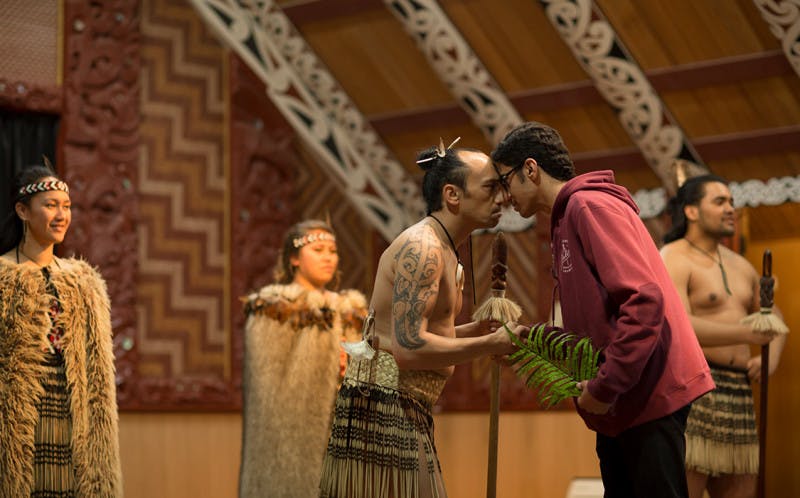
New Zealand’s government is influenced by the Treaty of Waitangi (Te Tiriti o Waitangi).
The Treaty of Waitangi is New Zealand's founding document. It takes its name from the place in the Bay of Islands where it was first signed, on 6 February 1840.
This day is now a public holiday in New Zealand. The Treaty is an agreement, in Māori and English that was made between the British Crown and many Māori rangatira (chiefs). It has shaped our past and will shape our future.
Tip: Find out more about the Treaty of Waitangi(external link that opens in a new tab). If you’re in Wellington, you can see the Treaty of Waitangi at He Tohu(external link that opens in a new tab) in the National Library of New Zealand for free. It's held there permanently on the first floor in a beautifully designed exhibition that's worth seeing!
Related pages
Know your student visa conditions
What are your international student visa conditions? Your student visa comes with conditions which tell you what you can and can’t do while you’re studying in New Zealand. It's important you understand what these are.
Life and culture in New Zealand
Learn more about New Zealand lifestyles, culture, languages and customs, and our religious freedom. Find out about New Zealand attitudes to sex, dating and relationships.
Study experience
Study and education in New Zealand is unique. Find out about New Zealand’s teaching, learning styles, assessments, and more.