Water safety
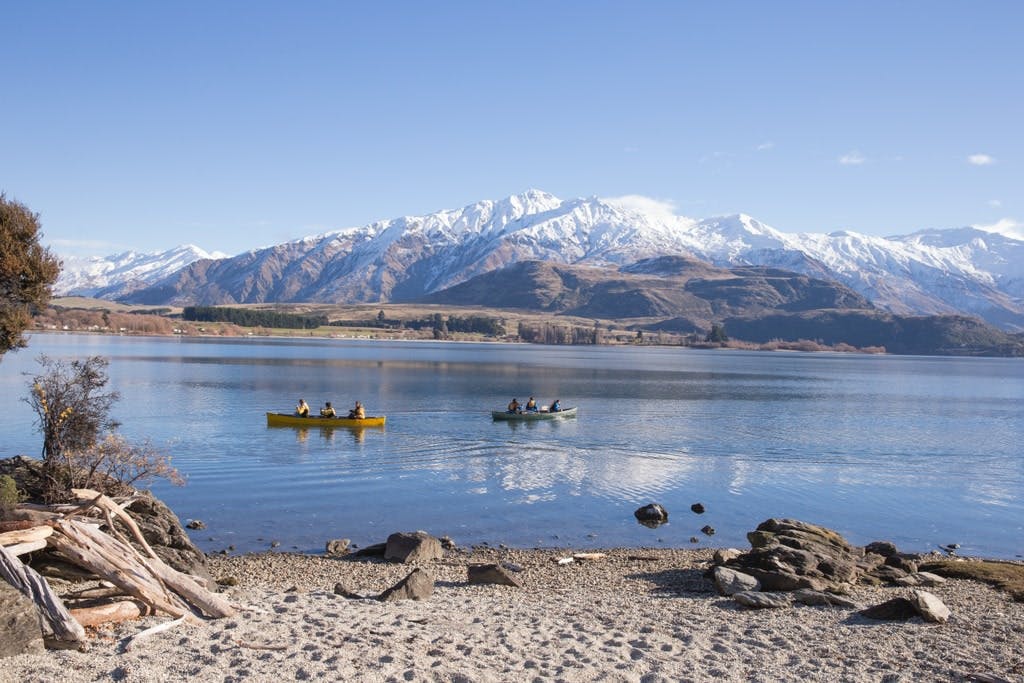
New Zealand’s lakes, rivers and beaches are very beautiful, but it’s important to stay safe when you’re in and around them. Here's how to stay safe near the water when you're in New Zealand.
Staying safe when you’re by the water
When it starts to get hot in the summer, you'll find Kiwis enjoying themselves at our many rivers, lakes and beaches. New Zealanders love the water so much, for swimming, boating and fishing, that it's easy to forget how dangerous being in and around the water can be.
Here are some things you can do that will help keep you safe in and around the water:
- Check the weather forecast before you go. Conditions can change fast.
- Never swim or surf by yourself or after drinking alcohol.
- Watch out for strong rips and currents at surf beaches – look out for gaps between the waves and discoloured water near the shore.
- If you’re swimming at a beach, look for an area with lifeguards and only swim in that area. This area is marked by yellow and red flags.
- Only swim at a depth that is safe for you. If you're just learning to swim or you're not a strong swimmer, stay where the water is shallow and your feet can touch the bottom.
- Don’t swim in your clothes or shoes as they can weigh you down and can be dangerous.
- Check very carefully before jumping or diving into a lake or river, especially if you’re not sure what’s below the surface.
- Always wear a lifejacket when boating or fishing (and make sure the people you’re with are wearing them too, especially children).
Water Safety New Zealand(external link that opens in a new tab) has more tips for staying safe in our waters.
Tip: Remember it’s important to check the quality of the water before you go swimming. Some beaches at certain times of the year are not safe to swim at. You can find useful information at safeswim.org.nz(external link that opens in a new tab).
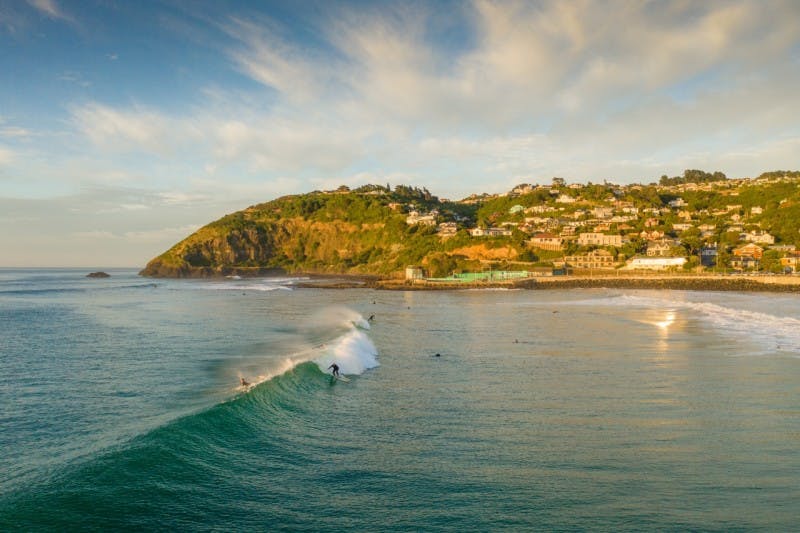
Rip currents
Rip currents (or rips) are powerful currents of water that are caused by the waves at surf beaches. They run along the surface of the water and can easily pull you out into the ocean. You'll find rips in all sorts of weather and on different beaches. They move at a fast speed and are strong enough to knock you off your feet even in shallow water.
It's not that easy to spot a rip. They look like calm patches of water with waves breaking on either side. Sometimes the water looks foamy, rippled or a different shade of blue to the rest of the ocean. If you're unsure where to swim safely, swim between the flags where lifeguards can help you if you get into trouble.
Rips can be scary because they catch you off guard. One minute you're playing in the surf, and then suddenly you're being dragged out to sea. Unlike large, crashing waves, you might not notice a rip until you're in the middle of one.
If you get caught in a rip:
Try to stay calm. Lie on your back and let the rip carry you along until the current weakens.
Call for help or put your hand straight up in the air. This signals to the lifeguards that you need help.
Surf Lifesaving NZ(external link that opens in a new tab) recommends that you ride the rip(external link that opens in a new tab) until it stops, then swim back to shore.
You can swim parallel to shore to escape the rip, and you can swim diagonally to the shore after you're out of the rip.
If you see someone caught in a rip at a beach without lifeguards, call 111 and ask for police.
Learning to swim
If you don't know how to swim (or you're not that confident in the water), New Zealand is a great place to learn. Swimming lessons are available for all ages and all levels of ability.
Many swimming pools run 'learn to swim' programmes throughout the year. Contact your local city council for more information – you'll find their website listed under each city on NauMai NZ.