Whangārei
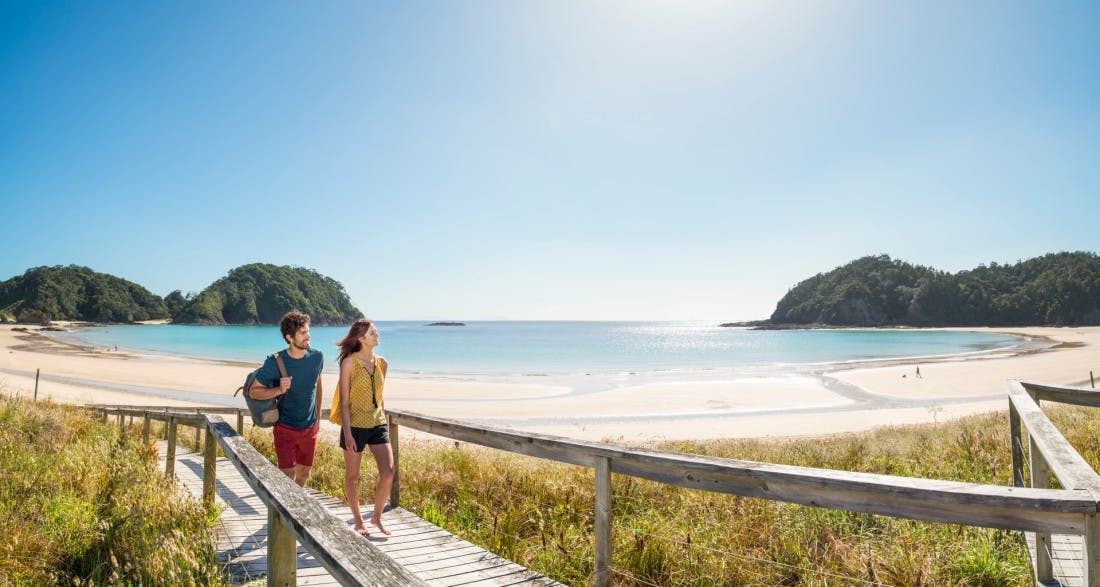
If it's your first time in Whangārei, some things might be new to you, like the public transport system and finding your way around the city. This can be exciting but don't worry if you feel a little homesick. That's natural, especially in the first 12 months of living overseas.
One of the best things you can do to feel at home is to explore and experience your city. Then the things that are new become normal as you create a great life here.
Been in Whangārei for a while? Scroll down and see if you've visited all the places and landmarks listed below!
Quick facts
Population
Whangārei has a population of around 90,960 people.(external link that opens in a new tab)
Fun fact
It contains the remnants of traditional Māori villages.
Living in Whangārei
There are many ways to describe life in Whangārei. Here are two important ones:
Relaxed
Whangārei is New Zealand's most northern city and is the entry point to the Bay of Islands, a subtropical region known for its stunning beauty.
Whangārei has a wide variety of shops and services but it's a place you go to relax on the beach – it's even described as 'the city with 100 beaches!'. There are plenty of safe places to swim, fish, and dive. The best surf beach is Ocean Beach, with beautiful white sand and views of Bream Head.
It's also monitored by Surf Life Saving New Zealand at weekends during summer, usually from October to April.
Tip: Remember to keep yourself and others safe in the water. Always check the weather forecast and never swim alone.
Historically significant
Whangārei's Mair Park is home to Mount Parihaka, a place of great historical significance to the indigenous peoples of Northland, New Zealand. It was an early Māori settlement and developed into a pā (fortressed village).
Whangārei is also a one hour drive from the Waitangi Treaty Grounds, the place where the Treaty of Waitangi (New Zealand's founding document) was signed in 1840.
The treaty represents an agreement between many Māori rangatira (chiefs) and the British Crown on governance and rights over resources, although the accuracy of its translation from English into Māori continues to be discussed and debated.
The history of New Zealand is rich and complicated and we invite you to find out more about it.
You can visit the Waitangi Treaty Grounds(external link that opens in a new tab) all year round, except for Christmas Day.
Get useful information and important updates to make your life easier while you're living and studying in New Zealand.
Useful Whangārei websites
Here are a few suggestions to help you have a great experience and a safe time in Whangārei.
Studying in Whangārei(external link that opens in a new tab): Find information on study, activities and support for students in Whangārei.
Whangārei: Love it here(external link that opens in a new tab) and Northland New Zealand(external link that opens in a new tab): Find events, festivals and great places to eat from Whangārei to the Bay of Islands.
Whangārei District Council(external link that opens in a new tab): Find out how local government works and important information to help you with daily life in Whangārei like information on local parks, museums, libraries, recycling and the location of public toilets and other facilities. You can also follow the local council on Facebook.(external link that opens in a new tab)
CityLink(external link that opens in a new tab): Learn how to get around Whangārei and its suburbs on public transport. Find out which bus you need to catch and how to plan your journey.
Kiwi North Museum and Natural Park(external link that opens in a new tab): Want to see a real kiwi bird? You'll find them here when you visit the nocturnal Kiwi House and see them as you might in the wild. Learn about kiwi conservation, and also see native reptiles like the gecko and tuatara! The Whangārei Museum is also home to taonga (Māori cultural treasures) and changing exhibitions.
Whangārei Art Museum(external link that opens in a new tab): Check out the latest local and international exhibitions at Whangārei's Art Museum for free. It's easy to find as it's right on the waterfront!
Whangārei Hospital(external link that opens in a new tab): If there's a medical emergency and you or someone else's life is in danger, go to the local hospital or phone 111 (this emergency number gives you access to police, fire and ambulance services). If it's not urgent, make a doctor's appointment or visit White Cross Healthcare Whangarei(external link that opens in a new tab).
Civil Defence – Never happens? Happens(external link that opens in a new tab): New Zealand is a very safe place but like anywhere in the world there is a chance a natural disaster could happen. This could be something like a flood, tsunami or earthquake. It's a good idea to be prepared and you can find lots of great resources on the national Never happens? Happens website(external link that opens in a new tab). You can also follow the Northland (including Whangārei) Civil Defence Facebook page(external link that opens in a new tab) to keep up to date on what's happening.
Trade Me - Whangārei(external link that opens in a new tab): If you're not staying in a homestay, you might need to find a room to rent. You can try Trade Me to find a place to live. Make sure to check how far your new home is from important places, like your place of study or job (if you're working part time).
Whangārei Vegan Expo(external link that opens in a new tab): This celebration of plant-based food happens each year around November. If you're interested in learning more about the vegetarian and vegan lifestyle, or want to taste a few new things, this event is for you!
Whangārei Growers' Market(external link that opens in a new tab): Buy locally grown, in season fruit and vegetables. Check out the Whangārei Growers' Market on Saturday mornings from 6am to 10am.
Try one of the world's best diving locations(external link that opens in a new tab): Whangārei is famous for the brilliant diving at the Poor Knights Islands which are about 23km off the coast from Tutukaka Harbour. You don't have to dive though – you can sightsee, kayak, go caving, snorkel, and swim instead!
Waipoua Forest(external link that opens in a new tab): Explore the largest area of native forest in the Northland region, just a 1 hour and 45 minute drive from Whangārei. Spend a weekend walking among giant trees, the largest which are said to be up to two thousand years old. Make sure to clean your shoes before and after you start your adventure, to protect the delicate environment – particularly the Kauri trees.