Whanganui
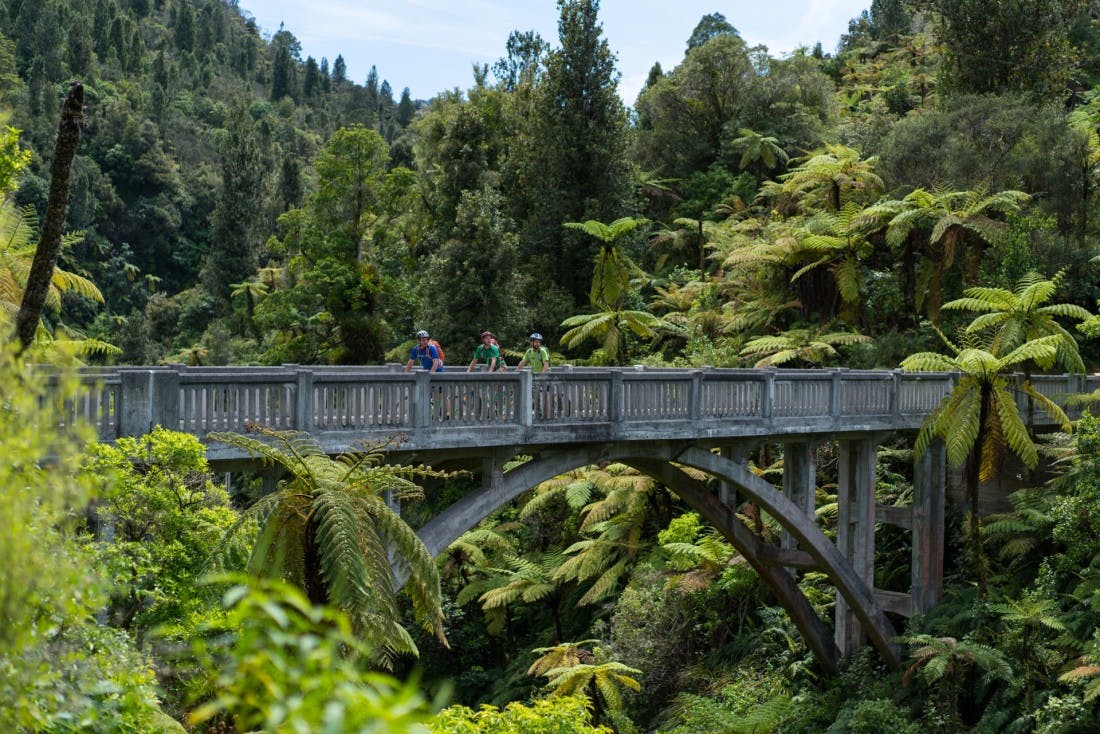
If it's your first time in Whanganui, some things might be new to you, like the public transport system and finding your way around the city. This can be exciting but don't worry if you feel a little homesick. That's natural, especially in the first 12 months of living overseas.
One of the best things you can do to feel at home is to explore and experience your city. Then the things that are new become normal as you create a great life here.
Been in Whanganui for a while? Scroll down and see if you've visited all the places and landmarks listed below!
Quick facts
Population
Whanganui has a population of around 45,000 people(external link that opens in a new tab).
Location
Fun fact
The beautiful Whanganui River runs right through the city.
Places to visit
Living in Whanganui
There are many ways to describe life in Whanganui. Here are two important ones:
River city
Whanganui is home to one of the most famous rivers in New Zealand, the Whanganui River. If you like water sports, you'll have the option to swim, canoe, kayak, jet boat, fish and even ride the P.S Waimarie Paddle Steamer(external link that opens in a new tab). There are also camp sites and cycle trails that follow the river to the ocean.
Whanganui River is an important part of local Māori and early settler history. There are remnants of old marae(external link that opens in a new tab) (Māori meeting grounds) that can still be seen along the riverbanks. And further up the river is the settlement of Jerusalem, made famous by New Zealand poet, James K. Baxter(external link that opens in a new tab).
The Whanganui River is an amazing place to explore. Just remember to keep safe in and around the water:
- never swim alone.
- check the weather forecast before visiting the river – heavy rain can create dangerous situations.
- wear a lifejacket and keep near the riverbanks if you're not comfortable in the water.
- take swimming lessons at a local pool.
Great place for art and artists
There are over 400 artists living and working in Whanganui, so there are many galleries and studios you can visit! Discover artworks made from clay, metal, paint, fabric – but what the city is really famous for is glass art(external link that opens in a new tab).
Tip: Check out New Zealand Glassworks -Te Whare Tūhua o Te Ao (NZG)(external link that opens in a new tab) to see how local and national artists experiment with and shape glass. You can even try hot glass blowing yourself! Join a 'make a paperweight(external link that opens in a new tab)' workshop and create a unique souvenir.
Get useful information and important updates to make your life easier while you're living and studying in New Zealand.
Useful Whanganui websites
Here are a few suggestions to help you have a great experience and a safe time in Whanganui.
Studying in Whanganui(external link that opens in a new tab): Find information on study, activities and support for students in Whanganui.
Visit Whanganui(external link that opens in a new tab): Find events, festivals and great places to eat.
Whanganui District Council(external link that opens in a new tab): Find out how local government works and important information to help you with daily life in Whanganui. For example information on local parks, museums, libraries, recycling and the location of public toilets and other facilities. You can also follow them on Facebook(external link that opens in a new tab).
Horizons Bus Service(external link that opens in a new tab): Learn how to get around Whanganui and its surrounding areas by bus. If you're studying at the Universal College of Learning (UCOL), you can travel free on urban buses, just show your current student ID to the bus driver.
Cycling and walking(external link that opens in a new tab): Want to enjoy the fresh air? Whanganui has a great cycling and walking culture. Check out their local cycling and walkways guide.
Whanganui Regional Museum(external link that opens in a new tab): Experience history and the future in action! Discover the stories of our indigenous peoples and early settlers with a focus on Whanganui and the surrounding region. Follow their Facebook page(external link that opens in a new tab) for events happening in other locations around the city. Or read about the history(external link that opens in a new tab) of your new home online.
Whanganui Hospital(external link that opens in a new tab): If there's a medical emergency and your life or someone else's is in danger, go to the local hospital or phone 111 (this emergency number gives you access to police, fire and ambulance services). If it's not urgent, make a doctor's appointment or visit the Whanganui Accident and Medical Clinic(external link that opens in a new tab) which is open after hours – this means it's open outside of normal working hours (8:30am to 5:30pm).
Civil Defence and Emergency in Whanganui(external link that opens in a new tab): New Zealand is a very safe place but like anywhere in the world there's a chance a natural disaster could happen. This could be something like a flood, tsunami or earthquake. It's a good idea to be prepared for an emergency so check out the resources on the Whanganui District Council website(external link that opens in a new tab) and follow the local Civil Defence group on Facebook(external link that opens in a new tab) to keep up-to-date with what's happening.
Trade Me - Rooms in Whanganui(external link that opens in a new tab): If you're not staying in a homestay, you might need to find a room to rent. You can try Trade Me to find a place to live. Make sure to check how far your new home is from important places, like your place of study or job (if you're working part time).
Whanganui River Traders Market(external link that opens in a new tab): Go along to the local market on Saturday morning between 9am-1pm for delicious breakfast treats, souvenir shopping or cheap fruit and vegetables. The market community is really friendly, so don't be shy. Say hello and start a conversation – locals will be happy to talk with you. You can find the market downtown, alongside the Whanganui River!
Visit the Durie Hill Tower and Elevator(external link that opens in a new tab): This tower was built in 1925 to honour local soldiers who died in World War One. It's an important part of Whanganui history and if you climb the 176 steps to the top, you'll see amazing views of the city. You can get to the tower from a tunnel that's a short walk from the city centre. At the end of the tunnel is an underground elevator that takes you closer to the tower's entrance. Hear your voice echo in the tunnel before going up! Tip: elevators are also called 'lifts' in New Zealand.
Kowhai Park(external link that opens in a new tab): Get together a group of friends, or invite some students to a barbecue or picnic in the park. Kowhai Park has a very unusual and interesting playground. Adults enjoy it as much as the kids – you're sure to get some great photos!